
SPECIES
INCENSE CEDAR
Scientifically known as Calocedrus decurrens, Incense Cedar is found in Western Oregon and Northern California where soil and environmental conditions are mostly dry. The wood fibers of Incense Cedar are light, soft, and have a fresh, homely aroma. The fibers are generally rot resistant making this material ideal for exterior siding and interior paneling. Its neutral tones and subtle grain patterns enhance the elegance of the beams and boards from Incense Cedar for exposed timber frame structures, such as pergolas or entry porches.
PORT ORFORD CEDAR
Scientifically known as Chamaecyparis lawsoniana, Port Orford Cedar was first documented near Port Orford, Oregon! Port Orford prefers the wetter climate along the Southern Oregon Coast and northern coastline of California where it is generally found growing near streams. It is creamy white in color with hints of light brown at the heart center and when boards and beams are left out in the elements untreated, they will age to a magnificent silvery sheen. When sawn, Port Orford emits a pleasant ginger-like aroma that will fill the air (and repulse insects!). Port Orford is lighter, rot resistant and dimensionally stable, meaning it is less likely to warp or twist as it dries. The strongest of the cedars, Port Orford is preferred for the projects that demand performance and beauty.
DOUGLAS FIR
Scientifically known as Pseudotsuga menziesii, Coastal Douglas Fir grows in Western Oregon, Washington and California. Douglas Fir is widely used in structural framing where strength and durability are a must. Known for its durability and load-bearing capabilities, it offers superior strength, stability, and workability, making it ideal for both construction and woodworking projects.
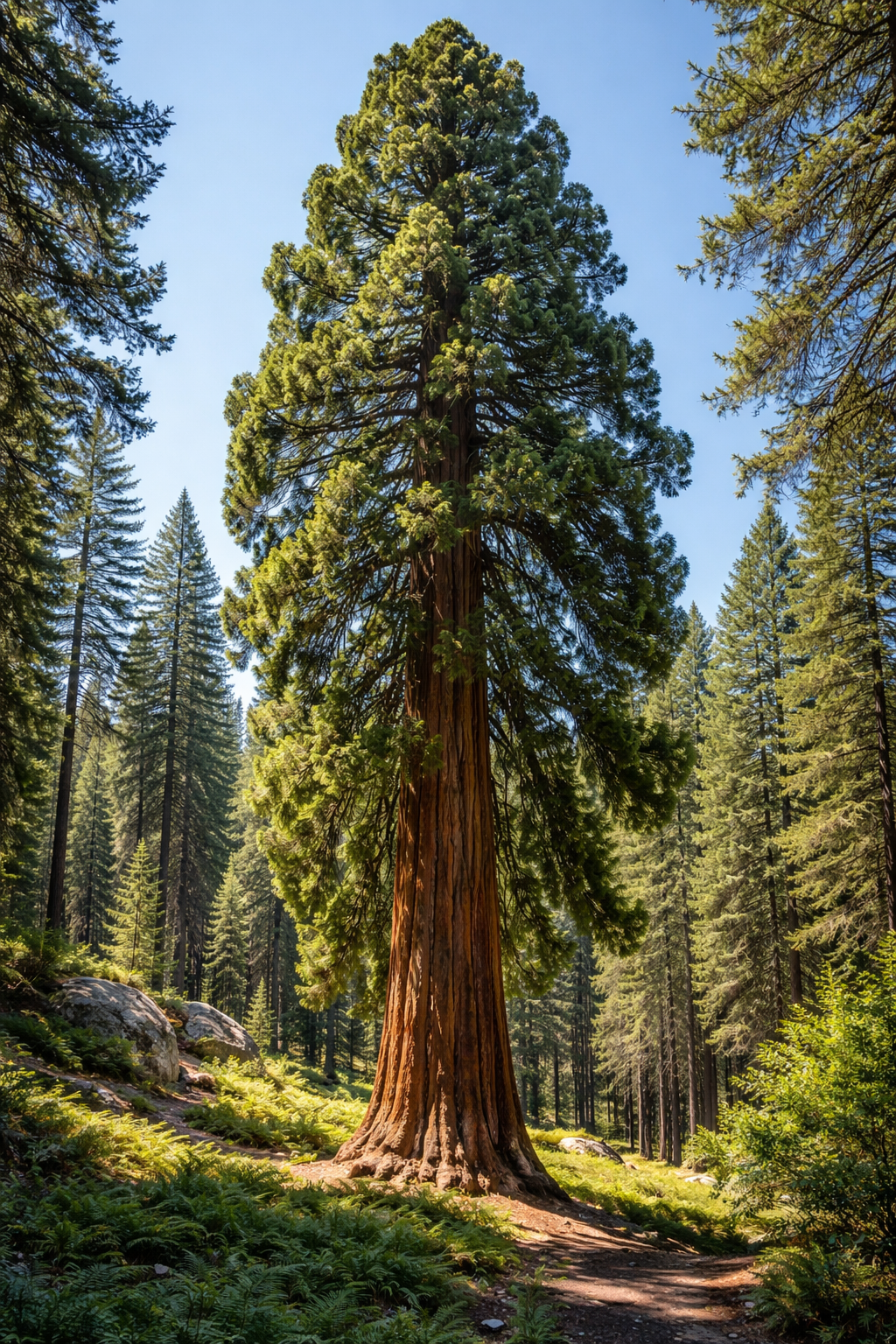
INCENSE CEDAR
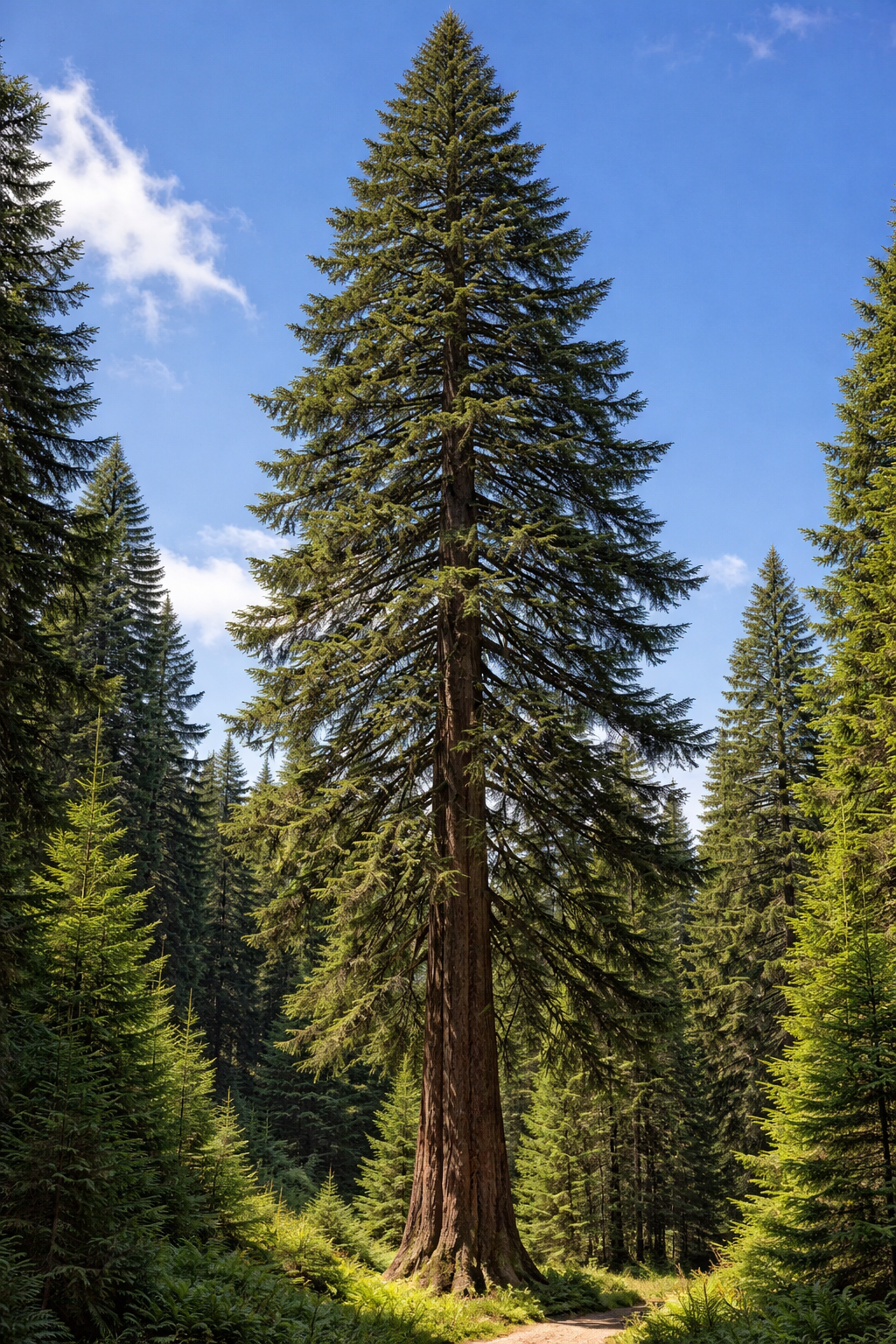
DOUGLAS FIR